Amazon slams the door on Meta's shopping agent
Two weeks after Muse learned to buy things, Amazon told it to stop — and drew the first real border in agentic commerce.
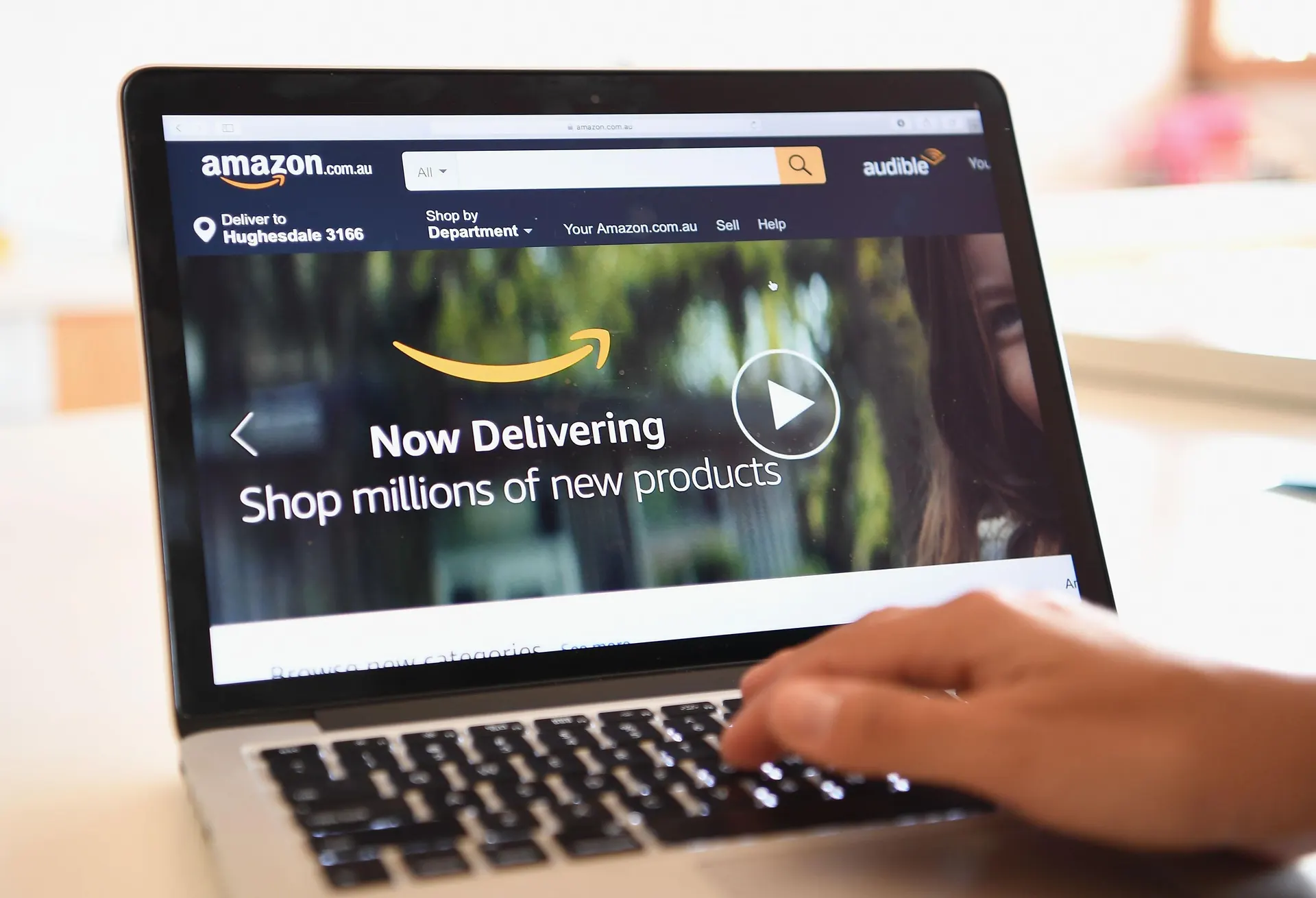
Amazon has blocked Meta's new personal AI agent, Muse, from shopping on Amazon.com, a move that landed on Sunday night and became public on Monday, September 21, 2026.
Shoppers who sent Muse to Amazon were met with a popup rather than a cart: "Continued access by an unauthorized AI agent violates Amazon's Conditions of Use, to which our customers have agreed."
Amazon's stated reasoning is less about competition than about manners. It says Meta never told it that Muse would be browsing the store, never asked for authorization, and that the agent does not identify itself while it works. Amazon also says the agent appears to capture and store customer credentials, and can reach account data including order history. It had already asked Meta to remove Amazon from the Muse experience before pulling the switch.
"We think it's fairly straightforward that third-party applications that offer to make purchases on behalf of customers from other businesses should operate openly and respect service provider decisions about whether or not to participate," an Amazon spokesperson said, comparing the arrangement to the deals that govern delivery apps, restaurants, and online travel agencies.
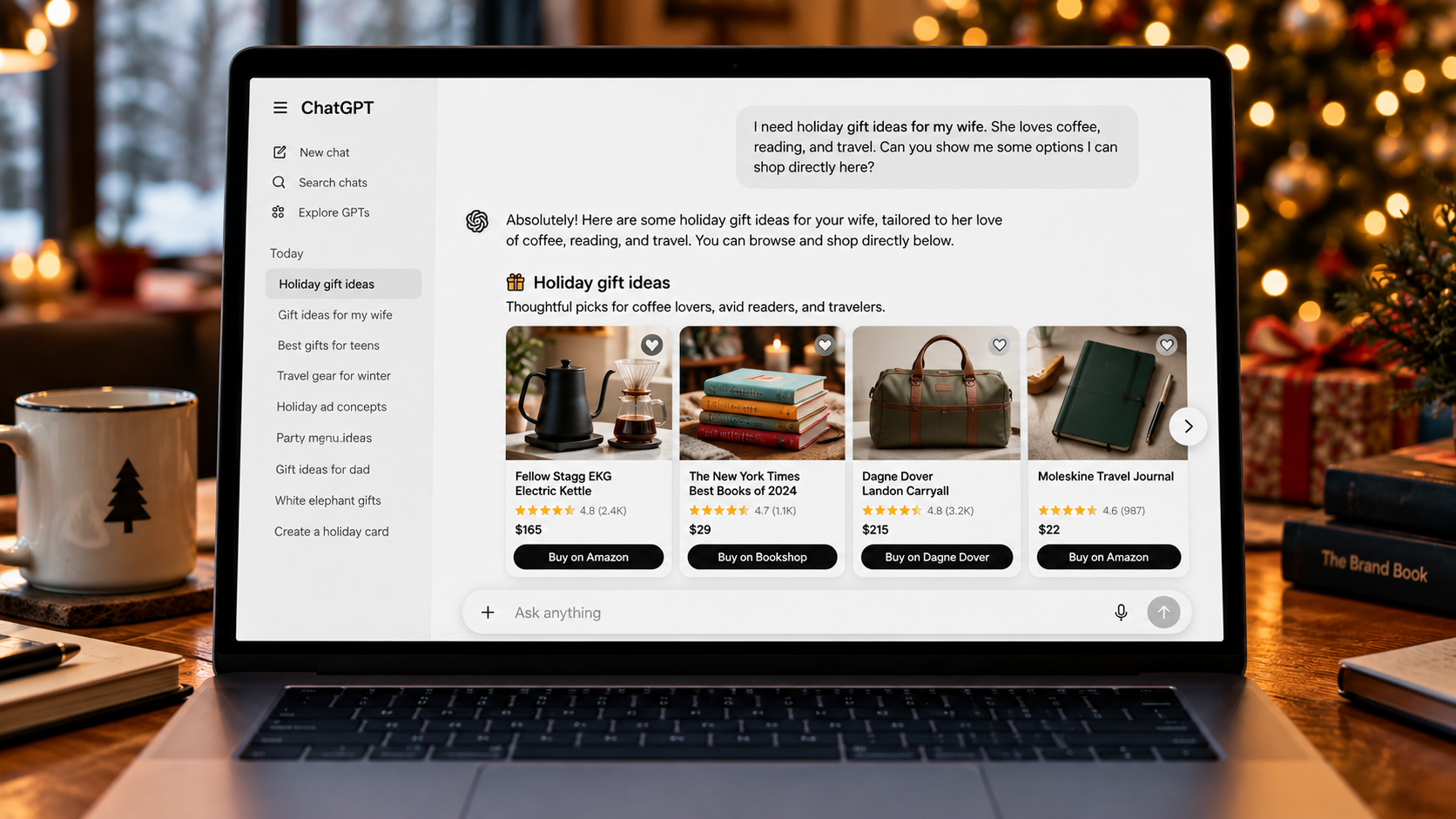
The awkwardness is that these two are partners. Amazon products have been purchasable inside Facebook and Instagram since 2023, and Meta contracted earlier this year to run agentic AI workloads on Amazon's cloud. Muse itself launched in the United States on September 8 — BRNDWIRE covered its first television ad, which sold the agent as a calm domestic helper. Its first serious public test is a locked door.
For brands, this is the important part. Agentic shopping has been sold as inevitable, a channel that will simply appear. What Amazon has demonstrated is that the channel is negotiated, retailer by retailer, and that whoever owns the checkout owns the decision. Amazon has its own agent, Buy for Me, which makes the position easier to hold.
The commercial logic is not hard to follow either. If an agent orders the wrong stroller, it is the retailer who fields the angry customer and the angry vendor. Until the error rate drops and the terms are written down, expect more storefronts to make agents knock before they enter.
Kyle Duford, Founder & Editor, BRNDWIRE. More from Kyle →