CVS Health Crunches Three Years of Claims Data and Finds GLP-1s Still Don't Pay for Themselves
A new study built on anonymized Aetna claims says weight-loss drugs genuinely improve outcomes, but the math only breaks even around a $350-a-month net price.
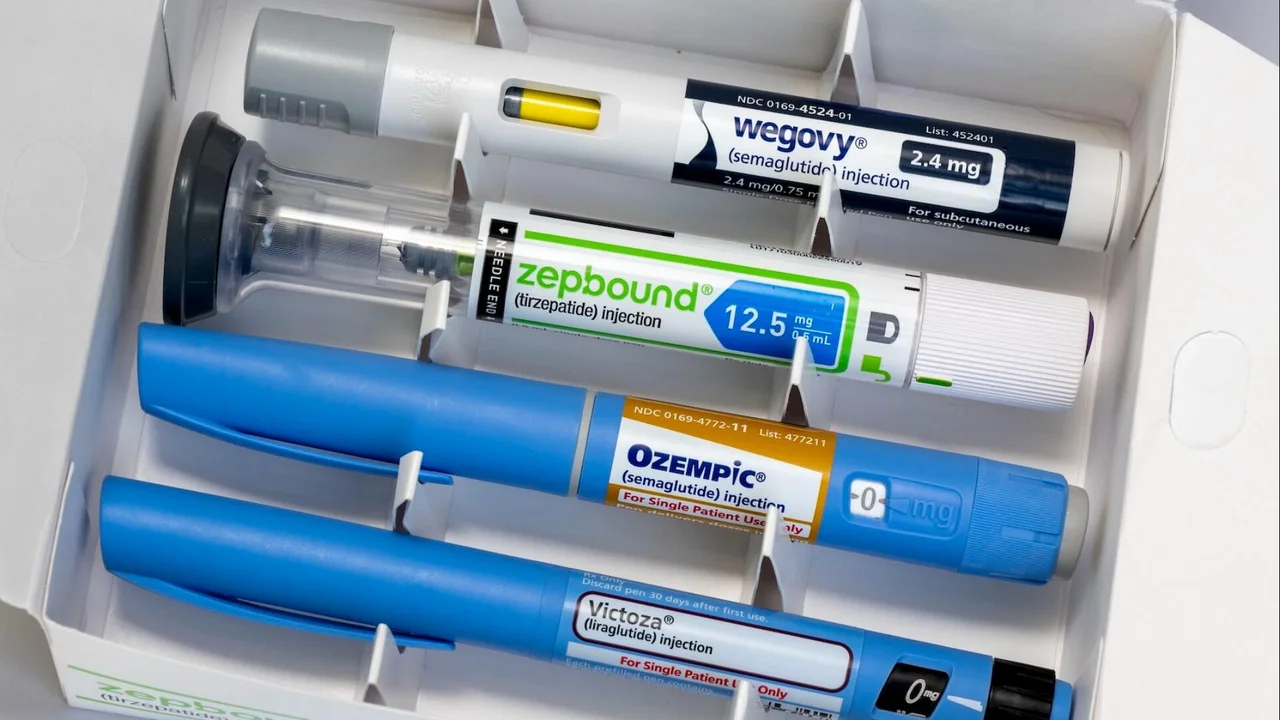
CVS Health ran the numbers on the drug everyone's betting on, and the answer is a genuine "it's complicated." Using anonymized Aetna claims data from 2023 through 2025, with up to three years of follow-up, CVS Health found that GLP-1 use is linked to better clinical outcomes and lower overall medical spending. The catch: at current prices, those medical savings still don't fully offset the higher pharmacy costs, and the company's accompanying white paper puts a ceiling on the opportunity, estimating more than 137 million US adults are medically eligible for semaglutide.
CVS Health's own modeling suggests the math reaches break-even around a $350-a-month net price, well below the list prices that have anchored the GLP-1 conversation for two years. Dr. Amy Compton-Phillips, speaking for the company, didn't hedge on the clinical case even while flagging the cost one: "GLP-1s are remarkably effective medicines, and the health benefits are real."
It's the most specific number yet put on a question insurers, employers, and pharmacy benefit managers have been arguing about since Ozempic became a household name: not whether the drugs work, but at what price they stop being a budget problem.
Source: CVS Health newsroom
Kyle Duford, Founder & Editor, BRNDWIRE. More from Kyle →
The Brand Briefing
Liked this? Get five more every morning.
The Brand Briefing: the stories moving brands, in your inbox at 7am your time. Free.