Daisy Restocks Its Sold-Out Headphones, and Won't Tell Us How Many It Sold
The wellness-focused startup is back in stock after its debut run sold out across the US, UK, and Europe, selling calm and scarcity instead of specs.

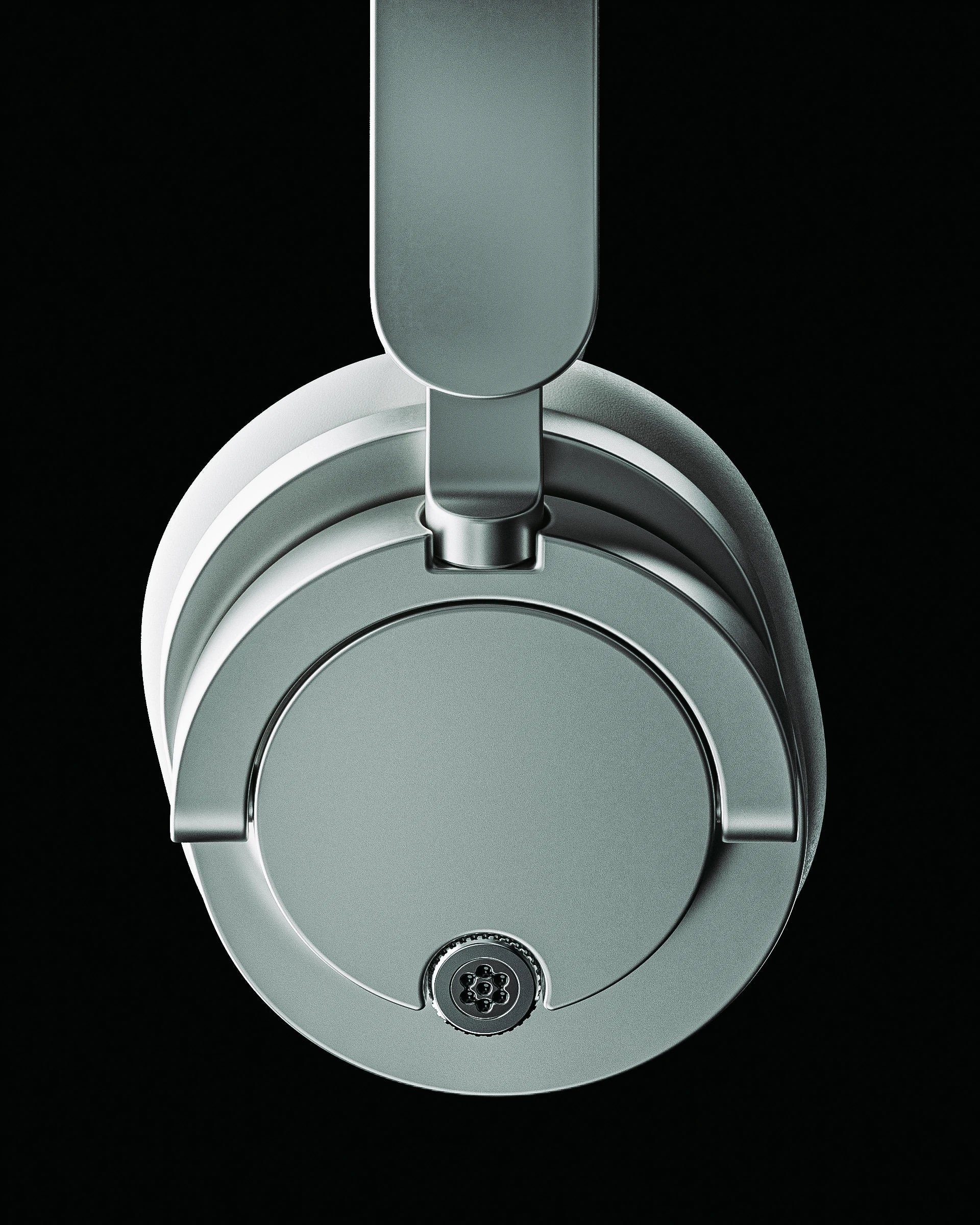
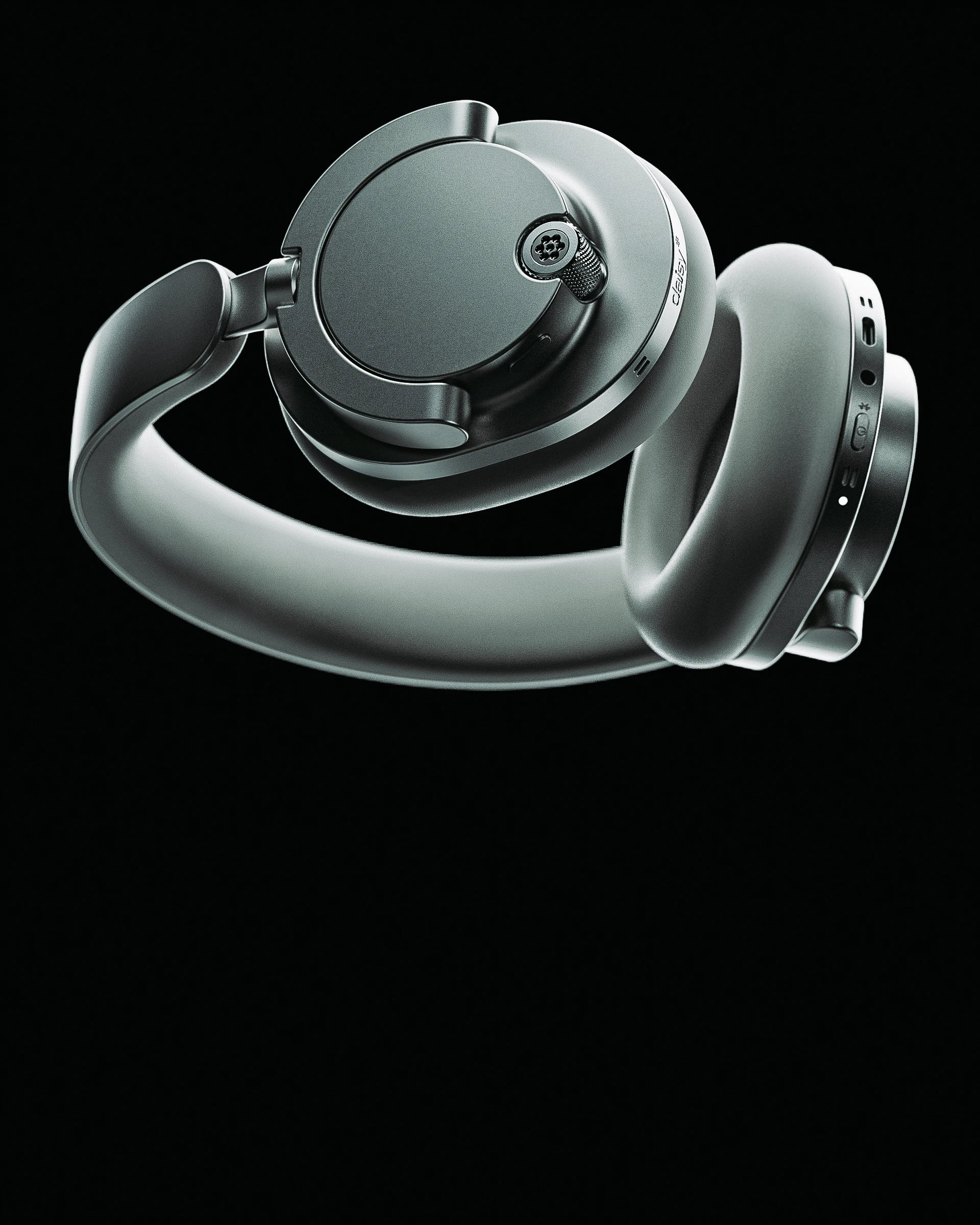
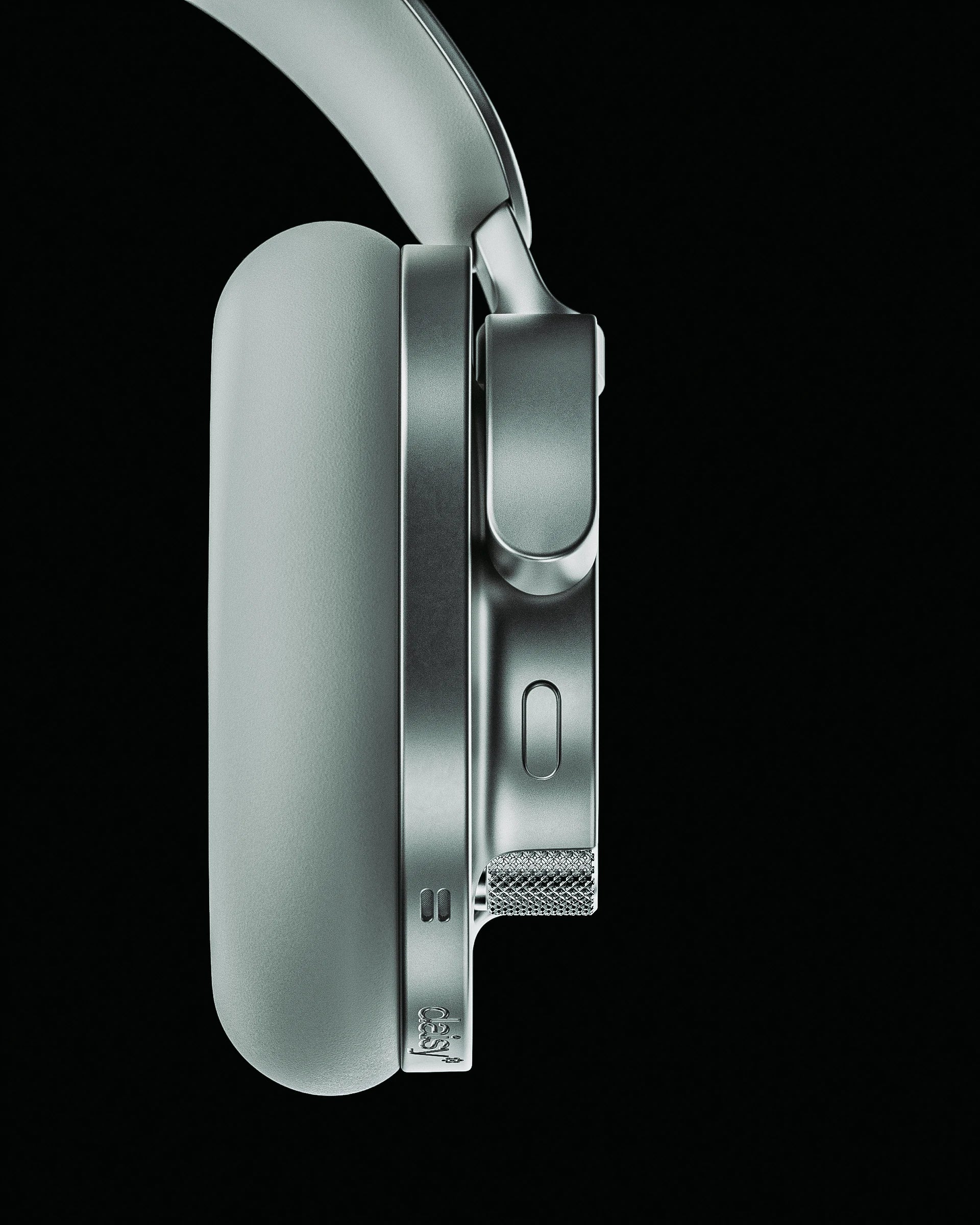
Daisy, the California headphone startup that spent its entire debut run selling out before most people had heard of it, is back in stock. The Daisy One, a $349 over-ear pair built by a team with Harman Pro roots, sold through its first production run across the US, UK, and Europe within weeks of its late-June launch. Nobody at the company has said how many units that actually was. Multiple outlets that covered the sellout, from Yahoo Tech to Complex, ran the story on the strength of the word "sold out" alone, because that is the only number Daisy has ever offered.
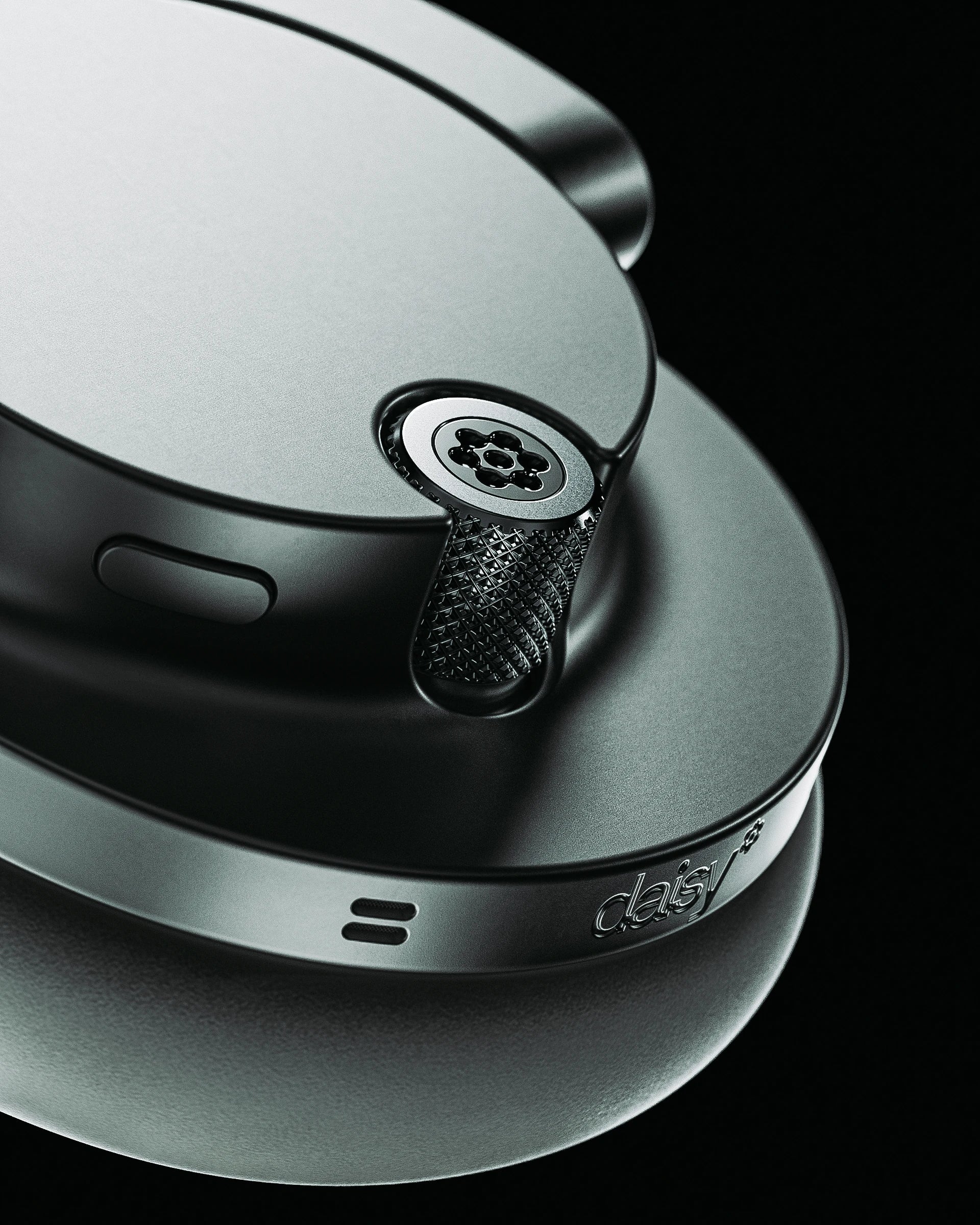
That absence is doing a lot of work. The Daisy One does not compete on the usual headphone battlefield. Instead of chasing Bose and Apple on noise cancellation benchmarks, Daisy built its pitch around Still Mode, a dedicated button that plays wilderness soundscapes recorded in places like Muir Woods and the Channel Islands, no app or phone connection required. The company has said outright that it is not trying to win on ANC alone, which is a convenient thing to say when you also will not say how your product actually performs against the competition on paper. Pricing has moved around since launch, reported anywhere from $299 at early access to $399 at full retail, and now $349 for the restock, which is its own small tell: a brand still finding its number is a brand still testing what the market will bear.
None of this makes Daisy a fraud. It makes Daisy a very normal startup running a very familiar playbook: launch small, let a tight first batch sell through fast enough to generate "sold out" headlines, seed the unboxing to the right people (tech influencer Ben Geskin got an early unit and called the build quality out by name), and then treat the restock as a second press cycle instead of a routine inventory update. CEO Jack Mulroe is selling calm, but the business behind it is selling scarcity, and scarcity has been the oldest trick in direct-to-consumer hardware since the first Supreme drop sold out a skateboard deck in ninety seconds.
The honest version of this story is that Daisy might be onto something real. Wellness-as-differentiator is a crowded lane right now, Oura, Whoop, and a dozen supplement brands are all fighting for the same "your nervous system deserves better" customer, and a headphone company that turns calm into a hardware button rather than an app subscription is a genuinely interesting bet. But "sold out" only means something as proof of demand if you know what the inventory was, and Daisy has made sure nobody does. Until the company publishes a number it can be held to, the safest read is that the restock is not a victory lap. It is the marketing.
More photos
Source: Daisy Sound
Kyle Duford, Founder & Editor, BRNDWIRE. More from Kyle →