DuckDuckGo sends giant eyeballs after anyone chatting with AI
Rival's national campaign for Duck.ai turns the feeling of being watched mid-conversation into a physical, bouncing threat.
Privacy is a difficult thing to advertise, because the product is an absence. DuckDuckGo solved that by giving the threat a body.
Integrated marketing consultancy Rival developed the national campaign concept for Duck.ai, DuckDuckGo's privacy-focused AI chat service, and the creative device is hard to unsee: giant, evil, prying eyeballs that bounce clumsily toward people mid-conversation with an AI assistant. Details of the work were published on September 16, with the campaign already running nationwide across the United States.
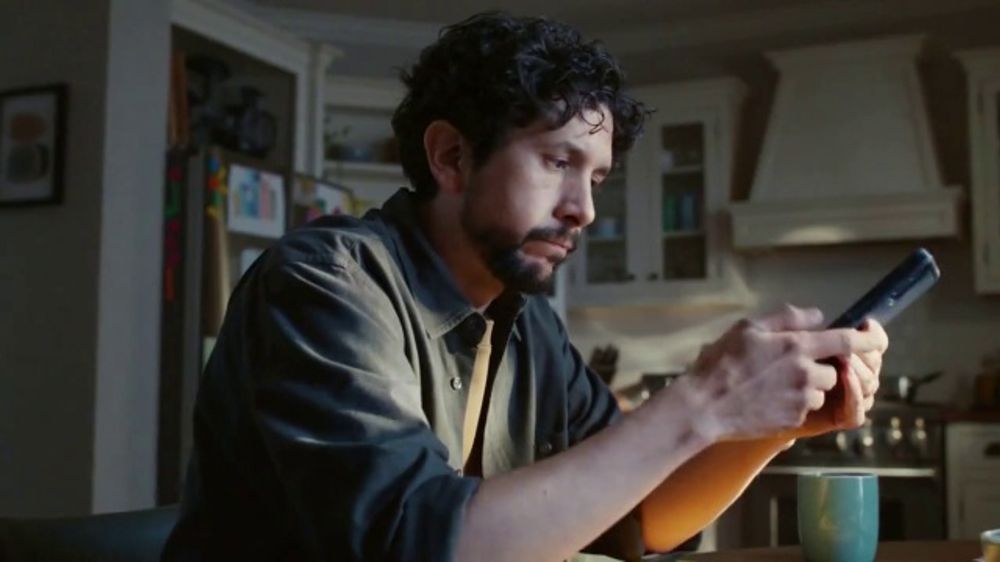
The insight came out of the company's own research. People increasingly bring their most personal questions — about careers, money, and health — to AI chat, and while doing it, they report feeling watched. That is a familiar theme for a brand built on opposition to pervasive online tracking, but the shift from search to conversation raises the stakes. A query is a fragment. A chat is a confession.
Duck.ai arrives in each spot as the relief, the moment users realize that using AI does not have to cost them their privacy. Produced by Partizan, the campaign comprises three films — "Prying Eyes," "Office," and "Skincare" — running across television, connected TV, and YouTube, with a heavy digital presence on Meta and TikTok. Additional Duck.ai creative extends into out-of-home and audio. The initial rollout features three 30-second spots, with 15-second versions and other cutdowns to follow.
The competitive context explains the aggression. AI assistants have become the most heavily marketed software category of the year, and nearly all of that advertising sells capability: what the model can do, how fast, for whom. DuckDuckGo is arguing over terms of service instead — a smaller promise, but one none of the largest players can comfortably match.
Casting surveillance as a slapstick monster also solves a tonal problem. Privacy campaigns tend toward dread, and dread does not travel well on TikTok. Bouncing eyeballs are shareable, quotable, and, crucially, legible in three seconds without sound. For a challenger brand buying attention against companies with vastly deeper pockets, that legibility is the whole media plan.
More photos

Noah Kim
Design Correspondent, BRNDWIRE. Covering tech for strategists and marketers worldwide.