Google's New Fitbit Comes With a Cycle Tracker Built In, Courtesy of Flo Health
Google unveiled the Fitbit Edge and a multiyear Flo Health partnership on the same day, syncing cycle data into Google Health Coach and naming exactly which wearable rivals it is chasing.
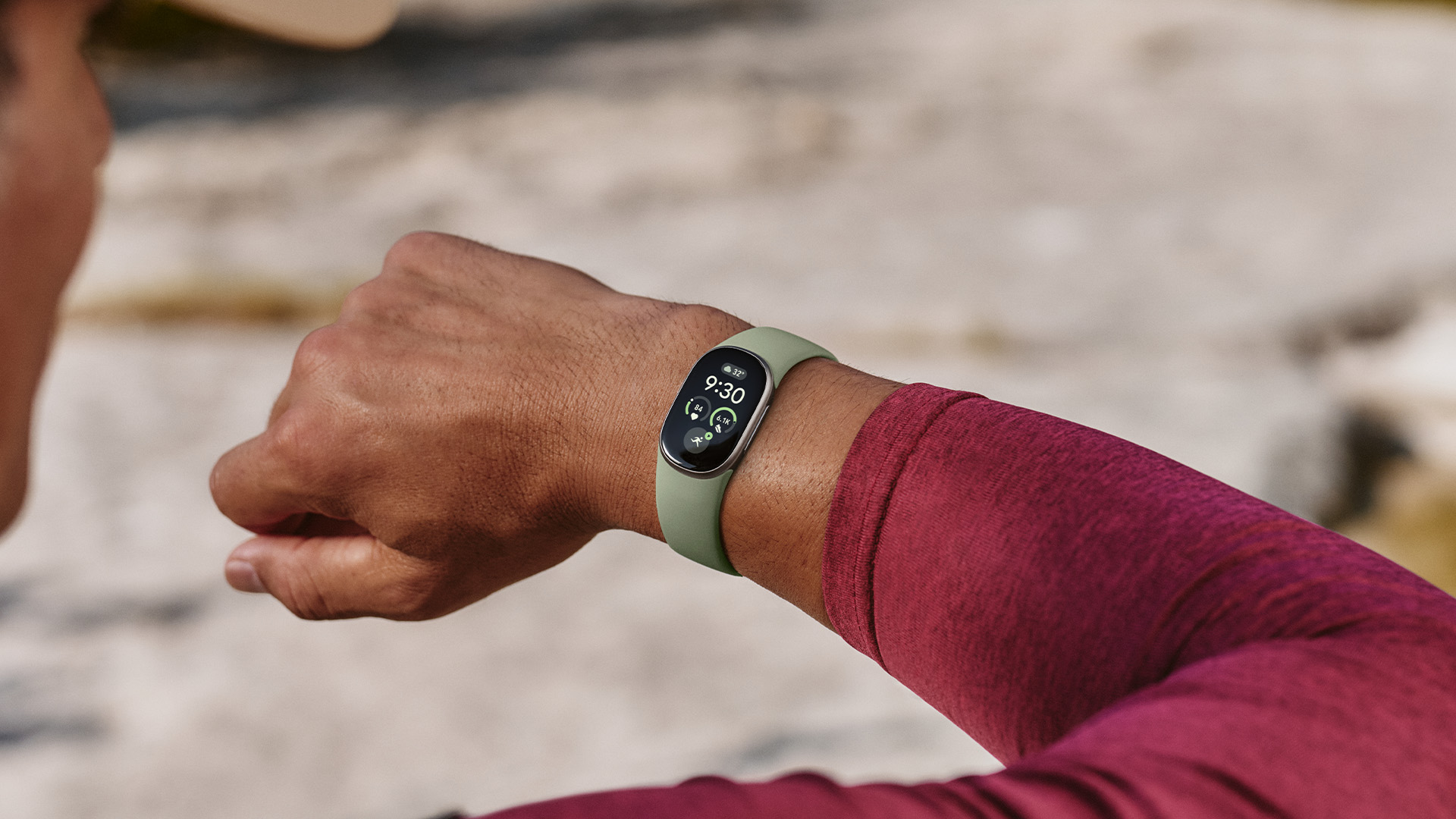
Google used one October morning to do two things at once: ship a new wearable and admit which part of the health-tracking market it still does not own. The Fitbit Edge is a band-style tracker with a hybrid OLED display, built-in GPS, and a swappable battery, priced at $179.99 and slotted deliberately between the Pixel Watch and the screenless Fitbit Air. It is Google's answer to a wearables market that Whoop and Oura built by stripping features out, not piling them on.
The bigger move came bundled with the hardware. Google announced a multiyear partnership with Flo Health, the cycle-tracking app used by more than eighty million people a month, that will let users sync Flo with Google Health starting early next year. With permission, cycle data will combine with resting heart rate and sleep stage metrics and feed directly into Google Health Coach, and the companies say they will jointly fund research into perimenopause, pregnancy, and postpartum recovery, categories that wearable makers have mostly ignored in favor of step counts and VO2 max.
That is the real signal. Apple, Whoop, and Oura have spent years competing on recovery science for a mostly male fitness audience, and none of them has a women's health partner with Flo's reach. Google just bought itself a data set and a research agenda that its hardware rivals cannot copy by Q1, which means the Fitbit Edge is not really the product here. The Flo deal is.
Source: 9to5Google
Kyle Duford, Founder & Editor, BRNDWIRE. More from Kyle →