The Sprint 440 Bet: Chasing Riders Harley Has Never Had
Harley-Davidson is building a 440cc cruiser under $6,000, co-developed with Hero MotoCorp, in its biggest bet yet on the younger, urban, and female riders it has chased for a decade but never quite landed.
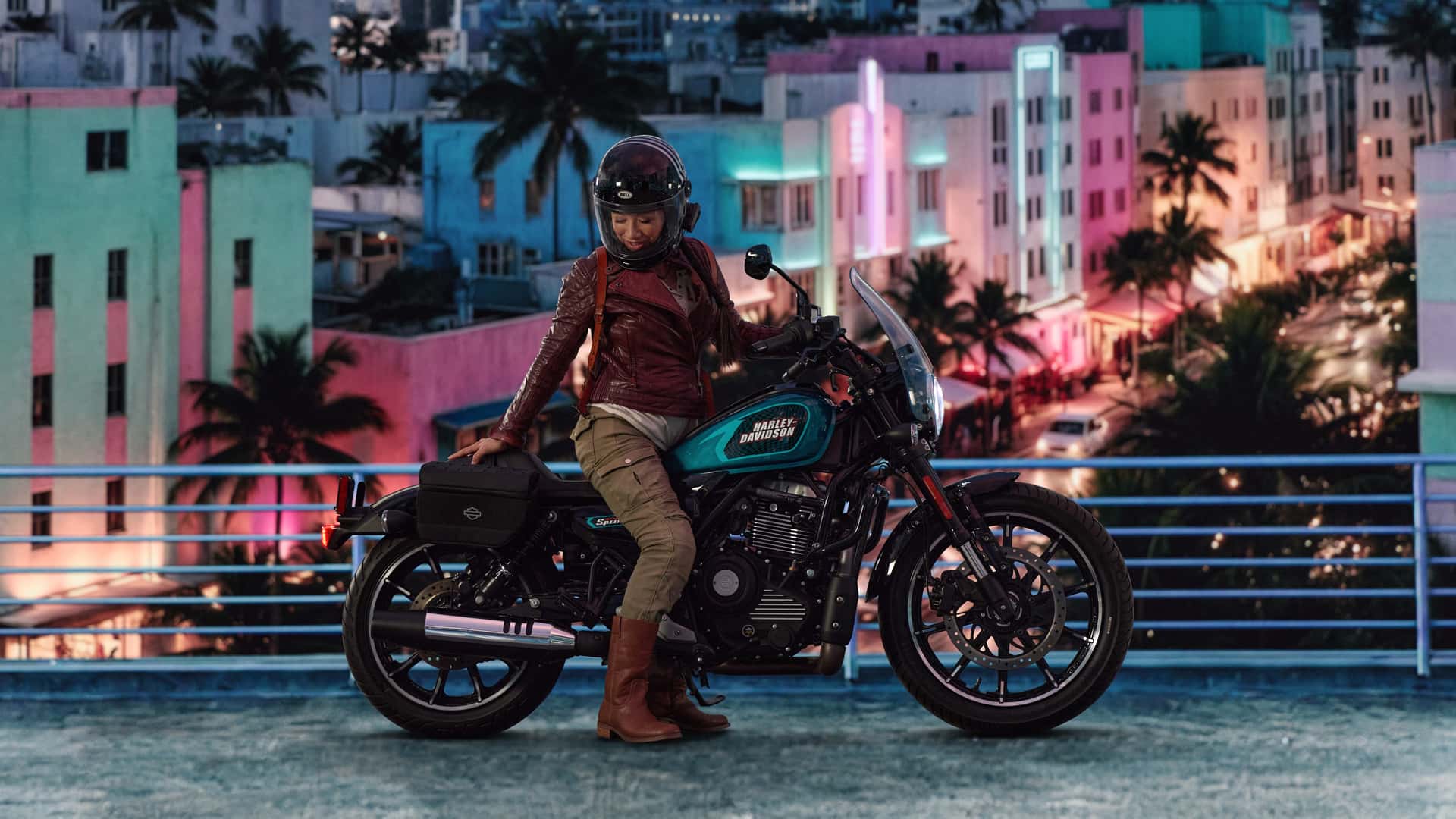
Harley-Davidson spent 122 years building a brand on the idea that a motorcycle should be loud, heavy, and built for a six-foot-two guy with a beard. It is now building a 440cc cruiser aimed at people who are none of those things, and pricing it under $6,000 so they can actually afford to find out. The real question underneath that move has less to do with displacement than with whether the thing that made Harley legendary for a century is also the thing that is quietly killing it.
The bike is called the Sprint 440, co-developed with Hero MotoCorp on the same platform as the X440 already selling well in India, with a global reveal expected around EICMA in Milan this November and a 2027 rollout across the US and markets like the Philippines and Malaysia. On paper, it is another entry-level model in a crowded segment. Underneath that, it is Harley running a test most legacy brands put off until the test runs itself: whether the only people who still want what you sell are aging out faster than anyone new is coming in.
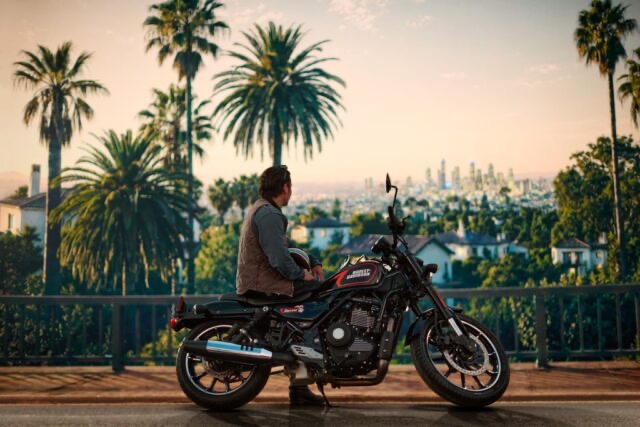
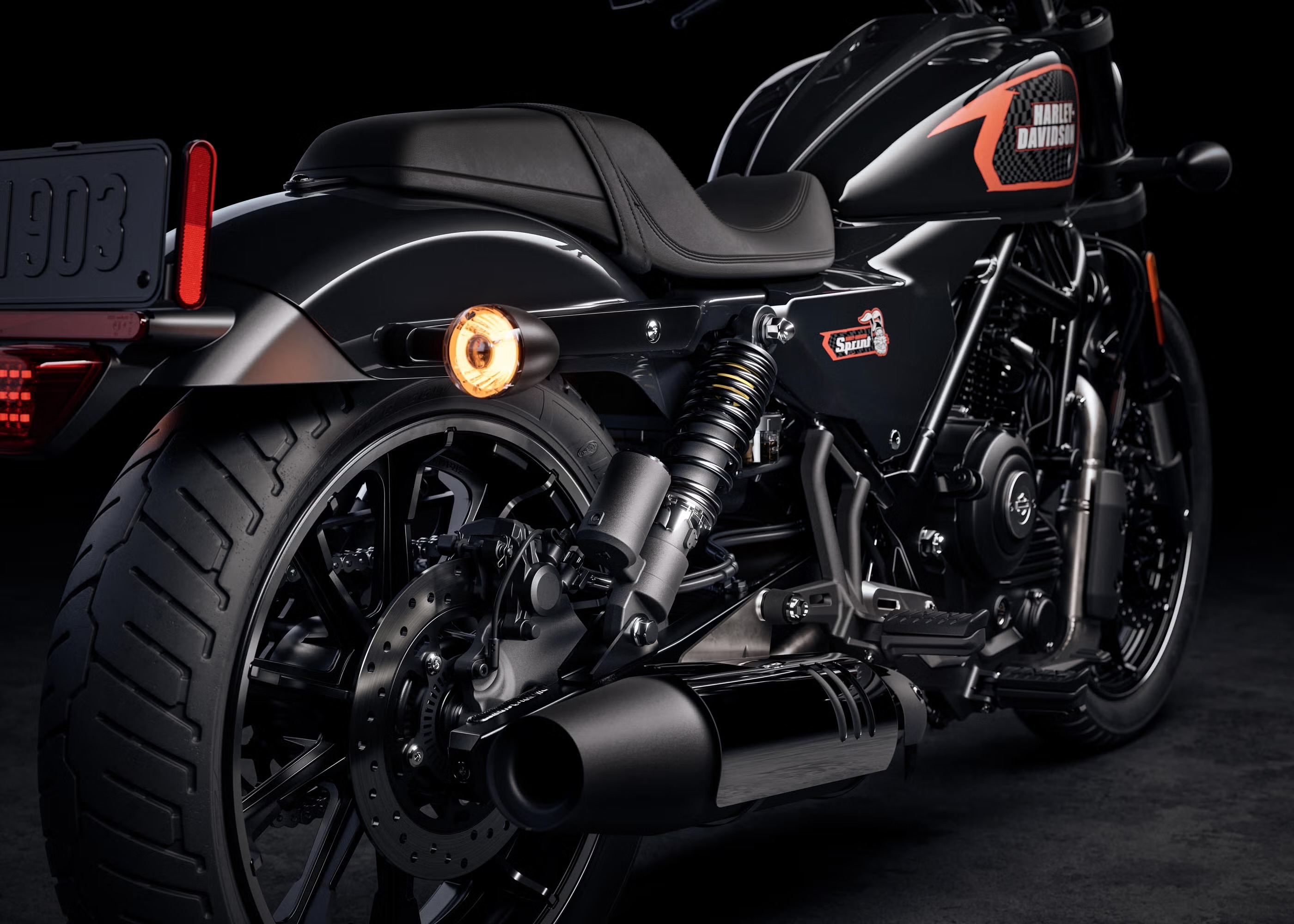
The Sprint 440 is a single-cylinder, 440cc entry-level cruiser built on the same platform underneath the X440, the budget Harley Hero MotoCorp already builds and sells in India. Expect a teardrop tank, upright bars, a low scooped seat, and a price built to undercut nearly everything else wearing the bar-and-shield.
CEO Jochen Zeitz has described the bike as needing to be "highly accessible, but also profitable," which is executive shorthand for cheap enough that a 24-year-old can actually swing it, while still carrying enough margin that Wall Street does not ask uncomfortable questions on the next earnings call. The target in the US is a sub-$6,000 MSRP, against a backdrop where the cheapest motorcycle Harley currently sells in America, the Nightster, starts at $9,999. A price drop of that size, at the bottom of the lineup, is less a new trim level than an entirely new customer Harley is trying to let in the door.
The timing says even more than the price. Harley's Asia-Pacific site already lists the Sprint 440 as a 2027 model, with a global unveiling expected around EICMA in Milan this November and planned markets including the Philippines and Malaysia. If that holds, the Sprint becomes the first X440-platform bike Harley has exported outside India, which means Hero built Harley something closer to a global template than a single cheap bike for one market.
Harley's core buyer has always been a specific person: middle-aged, mostly white, mostly male, with disposable income and a taste for chrome. That demographic is not just aging. It is shrinking faster than almost any other population group in the US over the next decade, and the Conference Board estimates demographic shifts alone could cut motorcycle spending by 3.7 percent over that span, independent of anything the company does right or wrong. Baby boomers are aging into brackets where they buy fewer bikes, and the smaller Gen X cohort replacing them in the 45-to-54 range was never going to backfill the gap. Harley cannot out-market its way around a shrinking pool of the only people who have historically bought what it sells.
That slow bleed shows up in the numbers now, not just the forecasts. Under its "Back to the Bricks" turnaround, Harley reported a 12 percent drop in Q1 revenue and net income falling to $25 million, while carrying tariff costs projected at $75 to $90 million in 2026 and chasing a core profit goal of $350 million by 2027. Indian Motorcycle and a wave of electric upstarts are circling the same price-sensitive buyers Harley has mostly ignored for a generation. A brand can survive being unfashionable. It cannot survive its customer base retiring faster than it recruits.
Harley has been talking about this exact problem for over a decade, and the language shift alone tells you where its head is. Back in 2017, Paul James, the company's director of motorcycle product planning, said Harley wanted "young riders, the 18-34 year-olds," and that the company was "about transcending genders." At the time, women made up about 12 percent of Harley's market, up from 8 percent in 2009. A Motorcycle Industry Council survey later put women at 19 percent of all US riders, roughly double the 2009 figure, with the growth concentrated almost entirely in younger generations: 22 percent of Gen X riders and 26 percent of Gen Y riders were women, while aging boomers, mostly men, kept leaving the sport faster than anyone was replacing them.
None of Harley's current Sprint 440 marketing names women, young riders, or urban commuters outright. The signals are in the specs instead. A lower seat height, a lighter curb weight, and a sub-$6,000 price all read as deliberate concessions to riders who are shorter, newer to motorcycles, or simply unwilling to finance a $25,000 touring bike before they have owned a motorcycle for a single season. One industry writer put it plainly, calling the bike potentially "a godsend" for newer, smaller, and female riders, and noting the irony that Harley's own Riding Academy already trains new riders on small bikes before funneling most of its graduates toward machines three times the price and twice the weight.
Urban riders get the same treatment by implication rather than announcement. A 440cc single-cylinder cruiser with a light frame is simply a better fit for stop-and-go city traffic and street parking than anything with a V-twin and a wheelbase built for interstate miles. Harley does not need a press release to say "urban" when the engineering already says it.
The smartest part of this strategy is that Harley is not just hoping a cheap bike sells. It already has proof. The X440 launched in India in 2023 and pulled in 25,597 bookings in its first month alone, a number most legacy motorcycle brands would sell a kidney for on a flagship model, let alone an entry-level one. Hero MotoCorp already knows how to build the platform at a price Western manufacturing could never hit on its own, and Harley gets to borrow that cost structure rather than build it from scratch.
Reusing the X440 platform instead of engineering a new one from the ground up also keeps the Sprint 440 cheap to build, which matters more than usual given Zeitz's own framing of the project: "highly accessible, but also profitable." Harley is not treating this as a subsidized halo product meant only to look relevant; it is trying to make the entry point profitable in its own right, which is the only version of this move that survives past one product cycle.
Exporting the platform internationally, rather than keeping it an India-only curiosity, is the other quietly smart piece. Planned markets like the Philippines and Malaysia are full of exactly the riders Harley has never sold to: younger, urban, budget-conscious, and riding small-displacement bikes by necessity rather than choice. Harley is not trying to convert them into chrome-and-leather lifers overnight. It is trying to get the logo on their first bike, which is the only way any brand earns a shot at their fifth.
None of this is free, and the risk Harley is taking on is bigger than a pricing decision. The brand's entire value, for a century, has been built on exclusivity: the roar, the weight, the ritual of saving up for a machine that announces itself from two blocks away. A quiet, light, cheap cruiser aimed at commuters and first-time riders cuts directly against every instinct that built Harley's mythology in the first place. Sell the wrong version of "accessible" and the brand risks looking less like it is welcoming new riders in and more like it is discounting itself to stay relevant, which is a much harder story to walk back once dealers and longtime owners start repeating it.
The dealer network is its own problem. Harley's current turnaround explicitly leans on higher-margin parts, accessories, and a "blank canvas" customization line to keep dealers profitable, which assumes dealers want to spend floor space and sales effort on a sub-$6,000 bike with thinner margins than the big tourers they are used to pushing. A dealer who makes his living upselling leather saddlebags and chrome exhaust kits has very little incentive to put a first-time, budget-conscious rider on the bike that earns him the least.
There is also a credibility gap on both ends of the audience Harley is trying to reach at once. Younger, urban, and female riders who have spent years hearing that Harley is not for them will not be persuaded by one teaser page and a lower seat height; brand trust with a skeptical audience gets built over years of follow-through, not a single product launch. Meanwhile the existing core, the very buyers the Conference Board says are aging out, may read the Sprint 440 as proof the brand has stopped making bikes for them specifically, which is exactly the kind of signal that accelerates the departure of the customers Harley still needs for the next several years of cash flow.
Strip away the EICMA teaser pages and the spec speculation, and the Sprint 440 is a bet that Harley's problem has always been more about the door than the bike. For decades, Harley made exactly one kind of motorcycle, and exactly one kind of rider felt invited to walk through that door. The Sprint 440 is Harley building a second, much lower door, in the hope that enough new people walk through it to replace the ones currently exiting through the other side, on their way to retirement.
Whether it works depends on execution Harley has not yet proven it can deliver: pricing that actually lands under $6,000 once tariffs and currency get involved, dealers who treat the bike as a real product rather than a loss leader to tolerate, and marketing that speaks to younger, urban, and female riders directly instead of letting a lower seat height do all the talking. The X440's results in India suggest the demand is real. What they do not prove is that Harley, a brand built entirely on being loud and unmistakable, can sell quiet and approachable without diluting the only thing that ever made people want the logo on their jacket in the first place.
That is the actual brand risk here, more than any spec sheet. A legacy brand chasing a new customer always risks looking like it abandoned the old one, and Harley is trying to do both at once: hold onto a shrinking, aging core while recruiting a younger, more diverse one that has spent a generation being told this brand was not built for them. Pull that off and the Sprint 440 becomes the bike that saved Harley-Davidson's next fifty years. Miss it, and it becomes a $6,000 answer to a question nobody asked twice.
More photos
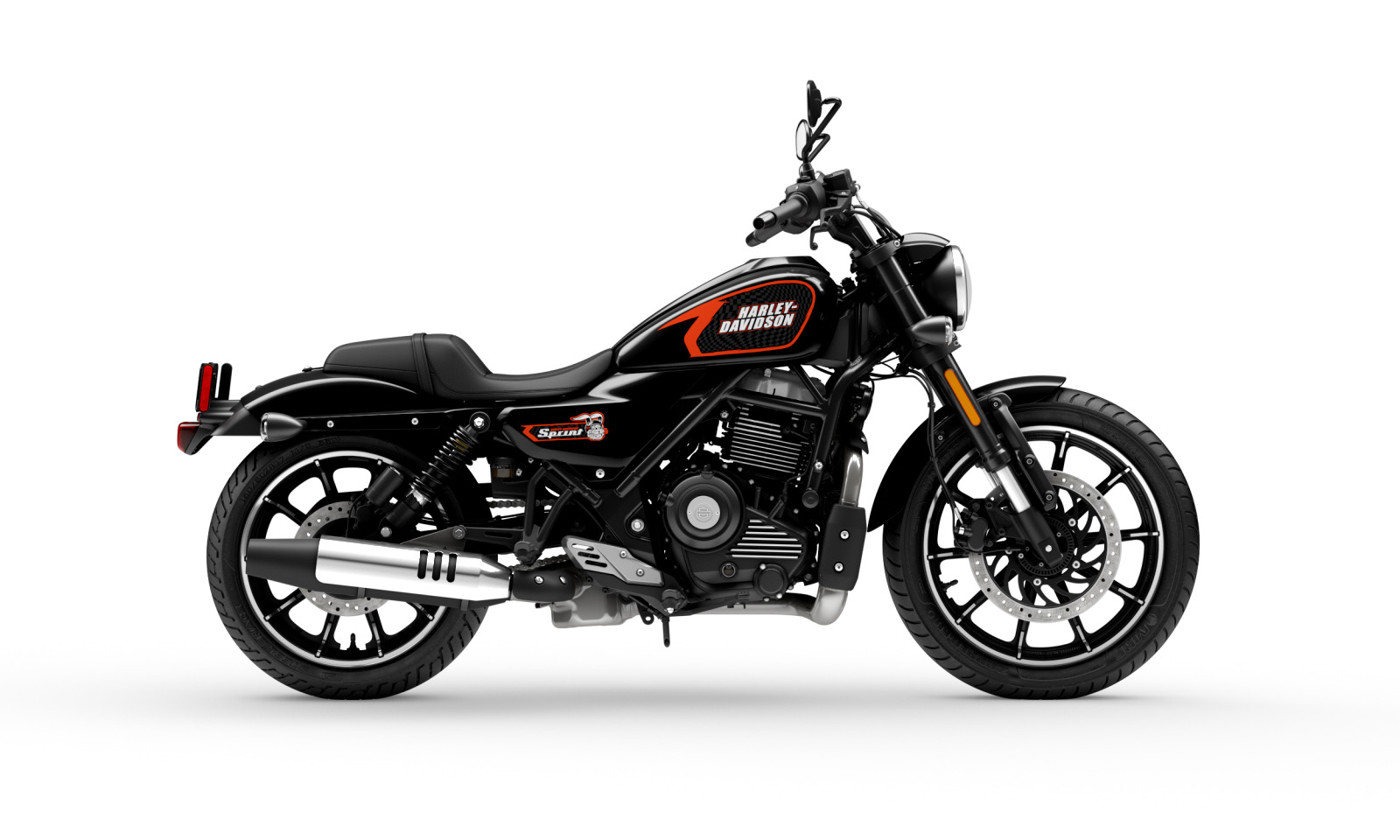
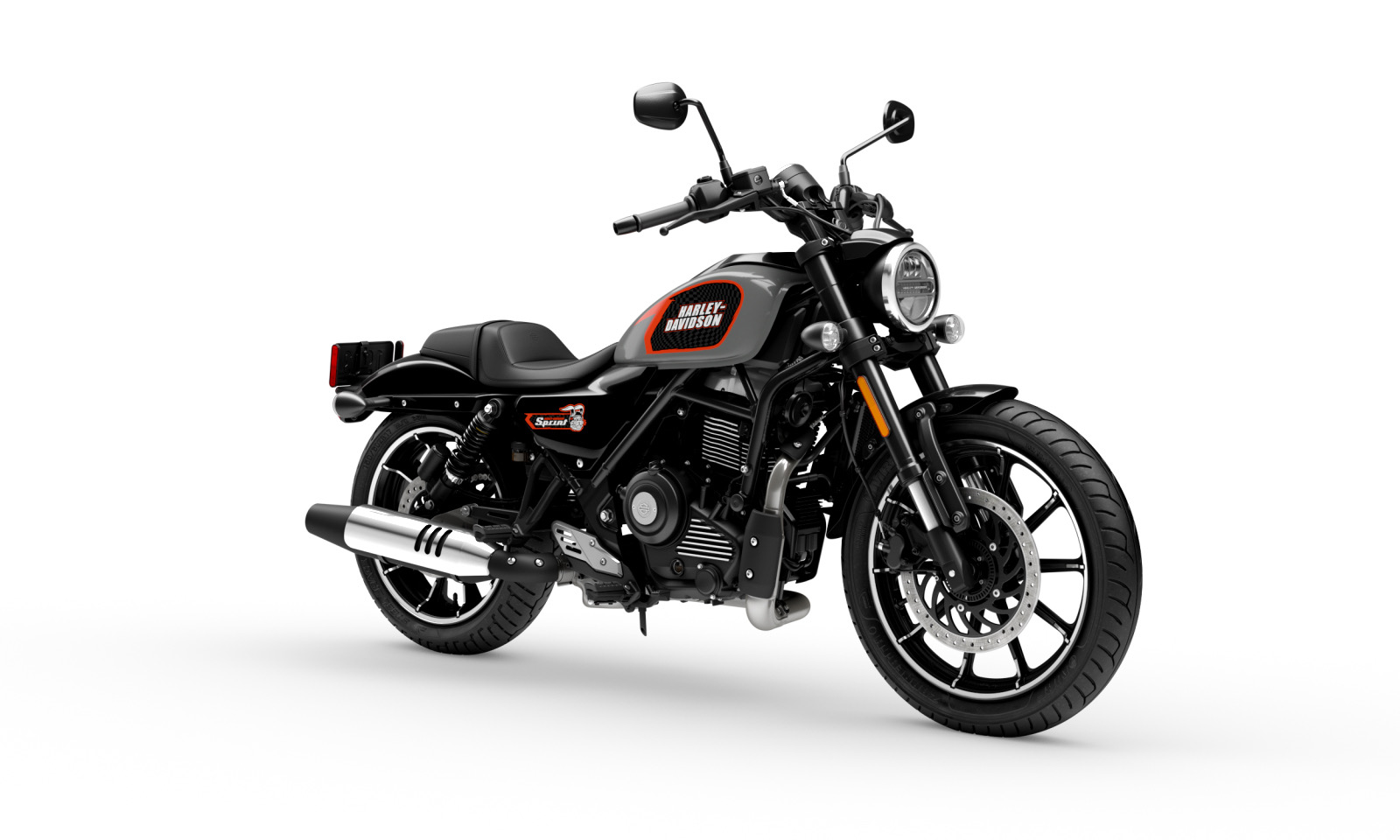
Source: Powersports Business
Kyle Duford, Founder & Editor, BRNDWIRE. More from Kyle →
The Brand Briefing
Liked this? Get five more every morning.
The Brand Briefing: the stories moving brands, in your inbox at 7am your time. Free.