Meta puts its AI agent on television, and lets it do the dishes
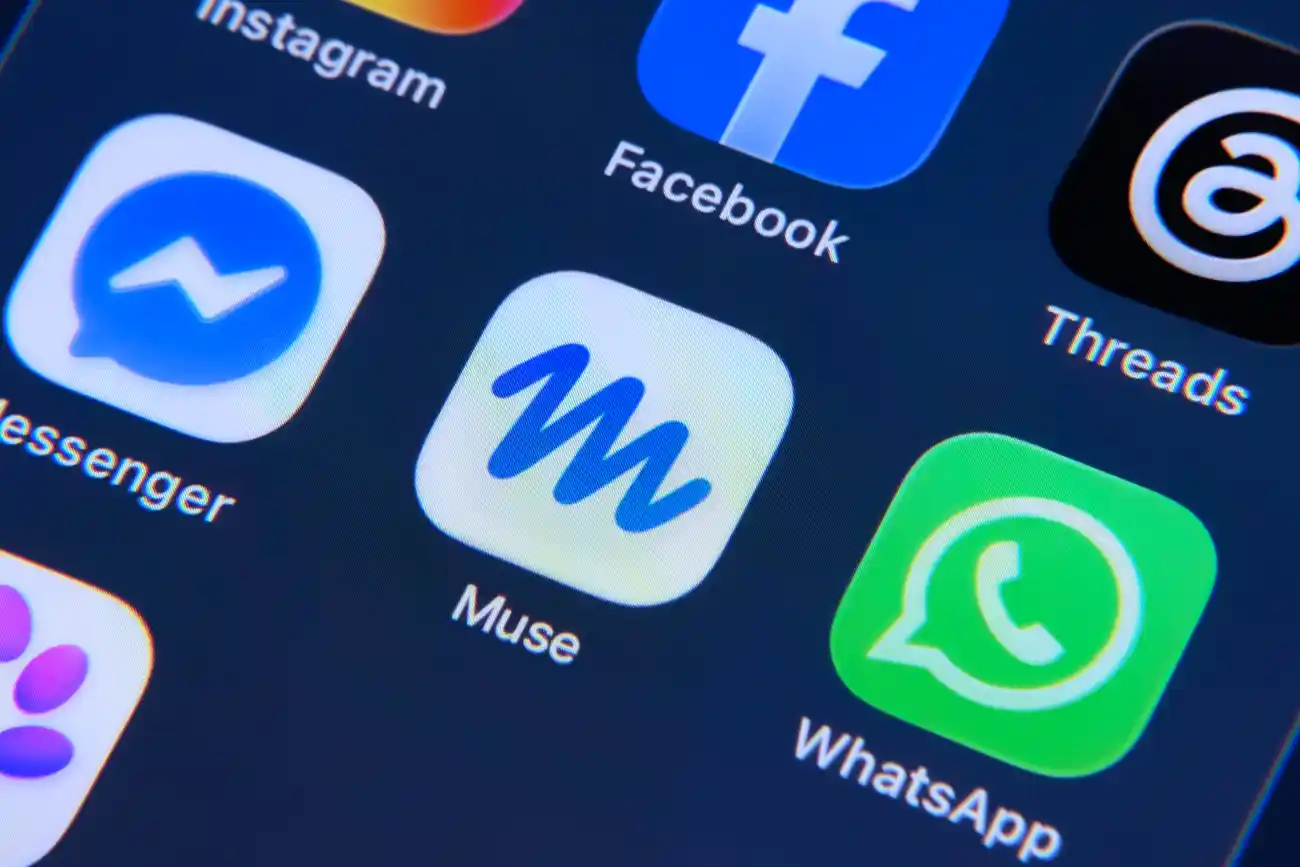
Muse topped Apple's US free app chart ten days after launch. Then Meta bought its way onto the biggest screens of the weekend.
The fastest way to tell whether a technology company believes it has a mainstream product is to watch where it spends its media money. Meta spent this weekend's on television.
The company's first commercial for Muse, its standalone personal AI agent, went live over the weekend, timed to the football audience. The spot is built on a piece of domestic choreography rather than a product demonstration: a woman moves around a kitchen preparing for a dinner party, chopping lettuce and mixing drinks, while the agent works quietly in the background, sorting her email, rearranging her schedule, and buying back-to-school items on her behalf.
"Muse is going NATIONWIDE to a television near you," Alexandr Wang, Meta's chief AI officer, wrote on Saturday, calling it the company's first Muse ad.
The timing is not accidental. Muse reached No. 1 among free apps on Apple's US App Store on September 18, ten days after launching, moving past ChatGPT from OpenAI, Google's Gemini, Anthropic's Claude, and Meta's own Instagram. A chart position measures download momentum, not habit, and Meta knows it. A national television campaign is how a launch spike gets converted into a category.
What the creative work has to solve is harder than awareness. An agent is not a chatbot, and the difference is the whole pitch: Muse connects to email, calendars, payment methods, Spotify, Instagram, and OpenTable, then acts, asking permission before anything sensitive. That is a lot of trust to request in thirty seconds, and trust is exactly where Meta starts from behind. In an Oppenheimer survey of 1,500 US consumers, 8 percent said they would trust Meta with their passwords, against 30 percent for Google and 23 percent for Apple.
So the ad never argues the point. It shows a person doing something pleasant while the software does the boring part, which is the oldest convenience narrative in advertising and the only one available to a brand that cannot lead with credibility. Meta is not selling superintelligence on television. It is selling an evening that runs itself.
Kyle Duford, Founder & Editor, BRNDWIRE. More from Kyle →