The Next Weight-Loss Drug Isn't a GLP-1, and That's the Entire Pitch
While Ozempic-style drugs dominate the headlines, Zealand Pharma and Roche are pushing a different class of obesity medicine built around amylin instead of GLP-1. New reporting out October 5 says it delivers real weight loss with a fraction of the nausea.
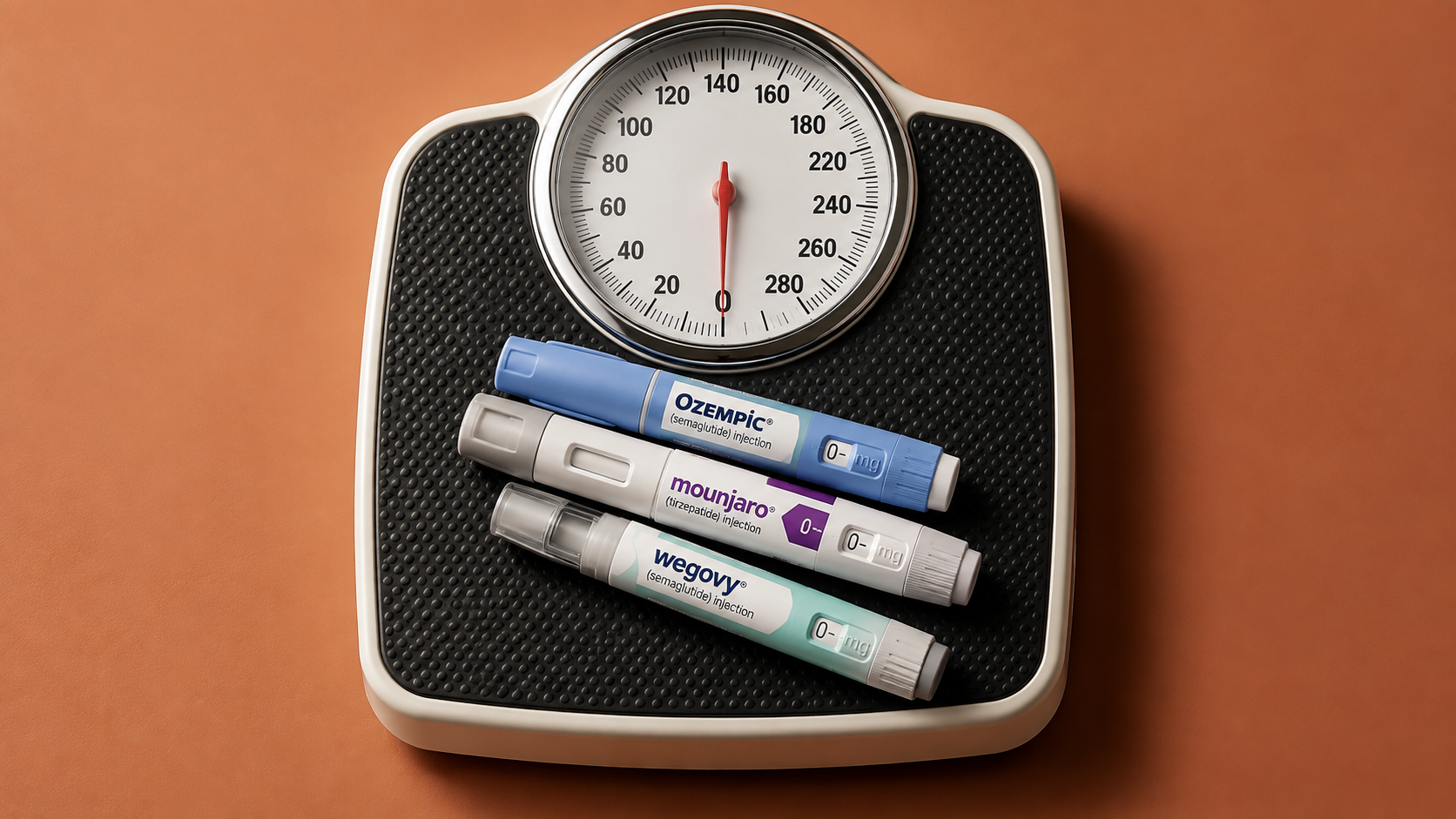
A new class of obesity drugs is emerging as the alternative to the GLP-1 medications that have dominated headlines for the past three years, and the pitch is almost entirely about what it does not do to your stomach. Zealand Pharma, developing the amylin analog petrelintide with partner Roche, has reported Phase 2 data showing double-digit weight loss with what the company called a "placebo-like" gastrointestinal side-effect profile, a notable contrast to the nausea and digestive complaints that have followed drugs like Ozempic and Wegovy.
The trade-off is real: petrelintide's weight-loss numbers trail the roughly 20-percent-plus losses reported for top-tier GLP-1 and dual-mechanism drugs, landing instead in the double digits. But for patients who have tried GLP-1s and quit over side effects, or who were never able to tolerate them in the first place, a drug that trades some efficacy for tolerability is its own kind of breakthrough, not a consolation prize.
It is also a signal about where the obesity drug category is actually headed next. The GLP-1 era proved there is an enormous market for weight-loss drugs; the amylin era, if petrelintide and its rivals pan out, is about to prove there is just as much demand for one that does not make patients dread taking it.
Source: HealthDay
Kyle Duford, Founder & Editor, BRNDWIRE. More from Kyle →