More Employers Are Quietly Dropping Weight-Loss Drug Coverage, and GLP-1s Are the Reason Health Costs Keep Climbing
A new WTW survey finds 16% of employers covering GLP-1s are now considering dropping it, up from 9% a year ago, as some companies shift to buying the drugs directly instead.
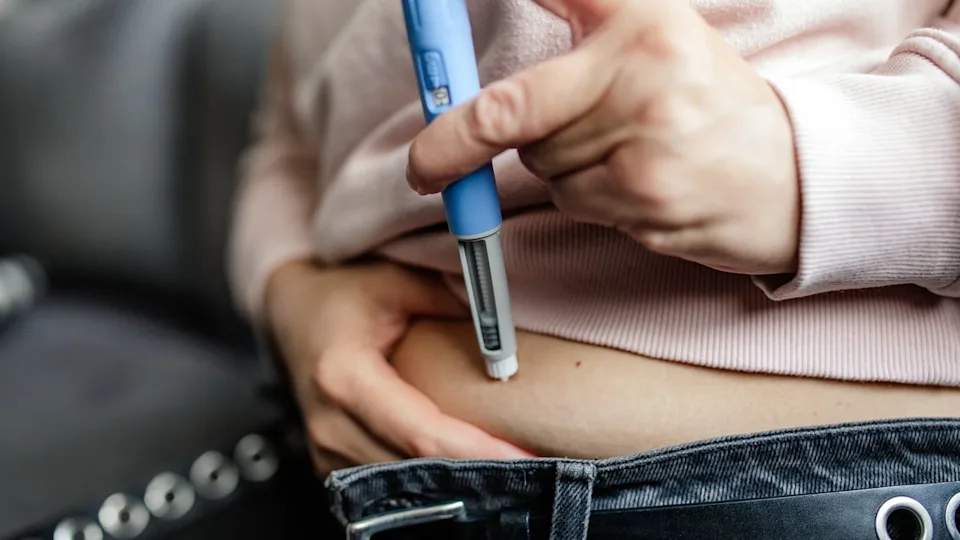
The employer-sponsored health insurance that millions of Americans rely on for their Eli Lilly and Novo Nordisk prescriptions is getting less generous. A new survey from Willis Towers Watson released this week found that 16% of employers who currently cover GLP-1 weight-loss drugs are considering dropping that coverage, up sharply from 9% a year earlier, while the share of employers covering the drugs at all has slipped from 57% to 53%.
Some companies are not dropping coverage so much as rerouting it: 8% have already moved to buying the drugs directly from manufacturers rather than through insurance, and another 28% are planning or considering the same move. The incentive is obvious once you see the price gap. A cash-pay, lowest-dose Novo Nordisk Wegovy pill starts at $149 a month and the shot at $199, while Eli Lilly's Zepbound starts at $299, all well below what many employer health plans are paying. Bank of America CEO Brian Moynihan has said the bank now spends roughly $250 million a year or more on GLP-1s, up from zero just a few years ago.
It is a strange moment for the drugs that have been credited with reshaping everything from snack sales to skincare: demand keeps climbing, and the people footing the bill are increasingly looking for the exit. Willis Towers Watson projects employer health costs will rise 9.7% in 2027 even after plan changes, with pharmacy spending, GLP-1s chief among them, named as the single biggest driver.
Source: 24/7 Wall St.
Kyle Duford, Founder & Editor, BRNDWIRE. More from Kyle →
The Brand Briefing
Liked this? Get five more every morning.
The Brand Briefing: the stories moving brands, in your inbox at 7am your time. Free.