Wendy's puts the 1990s back in your hands
The chain is reissuing its sunflower-yellow cups and fry cartons from September 28 into early 2027, betting that nostalgia is cheaper than a new product.
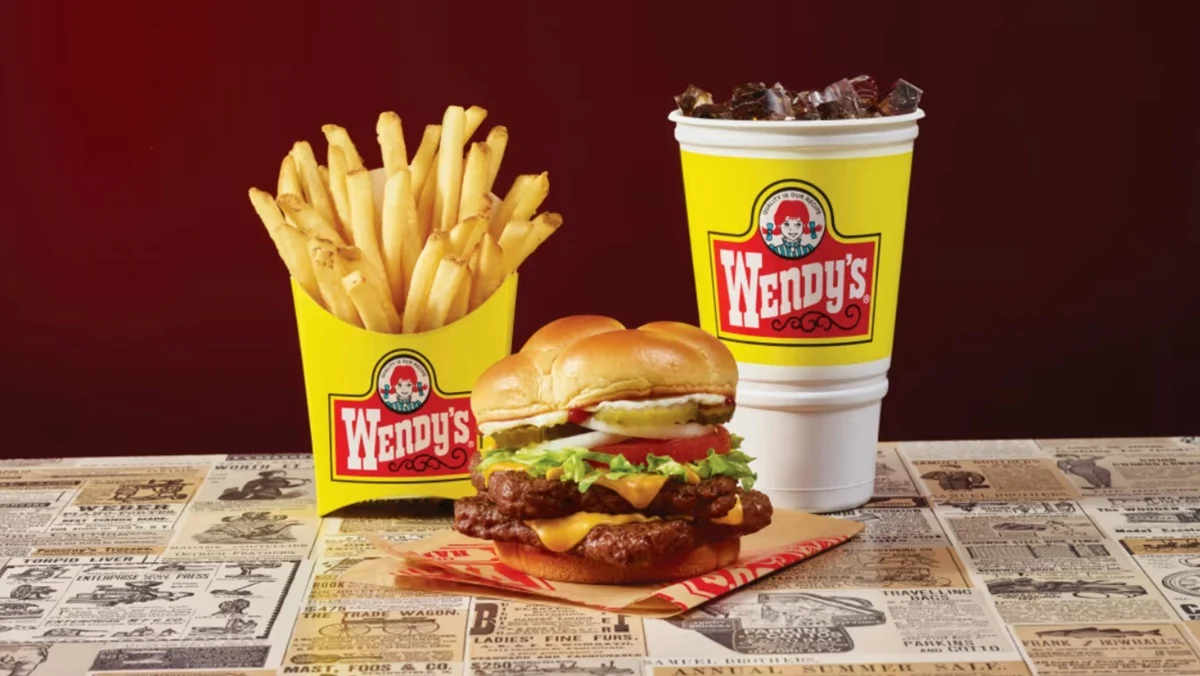
Wendy's is not launching a new burger, a new value menu, or a new tagline. It is launching a color.
Starting September 28, the chain's cups, fry cartons, wrappers, and Frosty packaging return to the bright sunflower yellow that defined its restaurants in the 1980s and 1990s, a look Wendy's quietly retired years ago in favor of a cooler, whiter, more contemporary system. The throwback packaging is a limited run, scheduled to stay in restaurants into early 2027.
The reasoning, according to the company, is simply that people kept asking. Chief marketing and customer growth officer Tariq Hassan told USA Today that the return was driven by demand rather than strategy decks: "Fans asked. Constantly. It's one of the most requested things we've ever had come back." A company spokesperson called it one of the most requested comebacks in the chain's history, and noted that yellow "has been part of Wendy's since the very beginning."
That is the useful part of the story for anyone who builds brands. Packaging is the cheapest brand asset a restaurant owns and the one most often sacrificed in a modernization. When Wendy's sanded the yellow down, it gained a cleaner shelf presence and lost a piece of distinctiveness that customers had encoded as the brand itself. Bringing it back costs a print run, not a rebrand.
The timing is not accidental. Wendy's is closing hundreds of underperforming restaurants and fighting for traffic against opponents running the same play: Pizza Hut has been reviving its red-roof Classic format, and Taco Bell has mined its own archive repeatedly. Retro packaging buys attention without asking the kitchen to do anything differently.
It also drew the year's strangest brand-adjacent moment. After the news broke, the White House claimed credit for the revival on X, prompting a community note clarifying that the administration had nothing to do with a fast-food packaging decision. Free reach is free reach, and Wendy's did not have to buy a single impression of it.
The risk of nostalgia marketing is that it flatters the brand's past at the expense of its present. A yellow cup tells a millennial that the chain remembers the 1990s. It does not tell anyone why to choose Wendy's for lunch tomorrow. The company has until early 2027 to convert the goodwill into something that survives the packaging change back.
Kyle Duford, Founder & Editor, BRNDWIRE. More from Kyle →