Mulberry Said No to the Discount Rack, and Its First-Half Sales Just Proved the Bet
Full-price sales carried an 18.1% first-half revenue jump for the British leather goods house, with US sales up 28% behind a new Bloomingdale's marketplace and Christopher Kane's runway return.
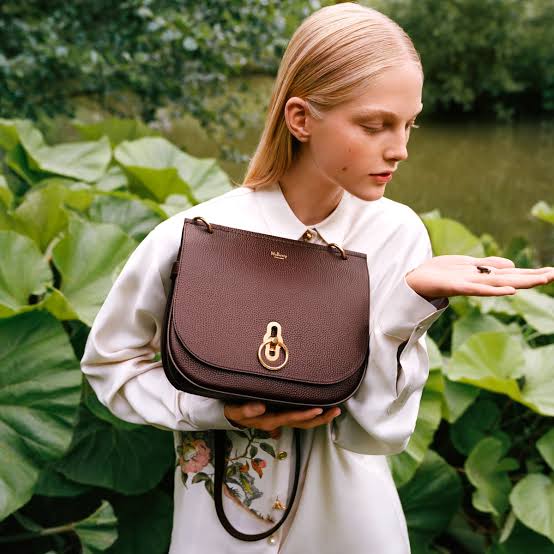
Mulberry posted an 18.1% rise in first-half sales for the 26 weeks to Sept. 26, with every region in growth: the UK was up 10%, the US climbed 28%, Europe rose 23%, and Asia grew 5%. The headline number matters less than how Mulberry got there. Promotional sales, excluding markdowns, ran 300 basis points lower as a share of revenue than a year earlier, meaning the brand grew by selling more at full price, not by discounting harder to move volume.
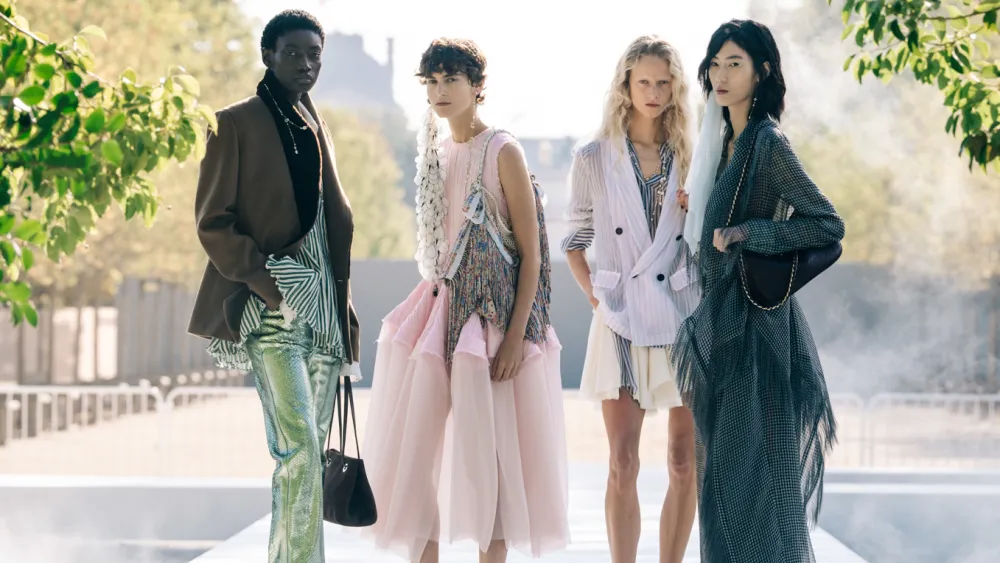
CEO Andrea Baldo credited new product alongside the pricing discipline, pointing to demand for the brand's Raffia, Crochet, Stevie, and Darley Camera Bag lines. "The growth in full price sales is particularly encouraging," Baldo said, adding that "there remains much more to achieve as part of our strategic plan." The US jump tracks to a new Bloomingdale's online marketplace launch and an expanded wholesale footprint, while Christopher Kane's runway return for Mulberry at London Fashion Week was cited as a traffic driver across stores, digital, and third-party partners alike, giving the brand a creative story to point to alongside the balance sheet one.
Mulberry is now targeting more than £200 million in annual revenue and a 15% adjusted EBIT margin over the medium term, both of which assume the full-price strategy holds as the easier early comps of a turnaround give way to harder ones. Resisting the discount rack is simple when you're growing off a low base. It gets much harder to hold the line once growth itself becomes the thing investors expect by default.
Source: Reuters
Kyle Duford, Founder & Editor, BRNDWIRE. More from Kyle →
The Brand Briefing
Liked this? Get five more every morning.
The Brand Briefing: the stories moving brands, in your inbox at 7am your time. Free.