Sonos stops selling speakers and starts selling the system
Sonos has launched "Love the Sound. Feel the System," a global brand campaign built in house that trades audiophile spec sheets for hand-drawn craft, and quietly repositions the company around the whole-home system rather than the box on the shelf.
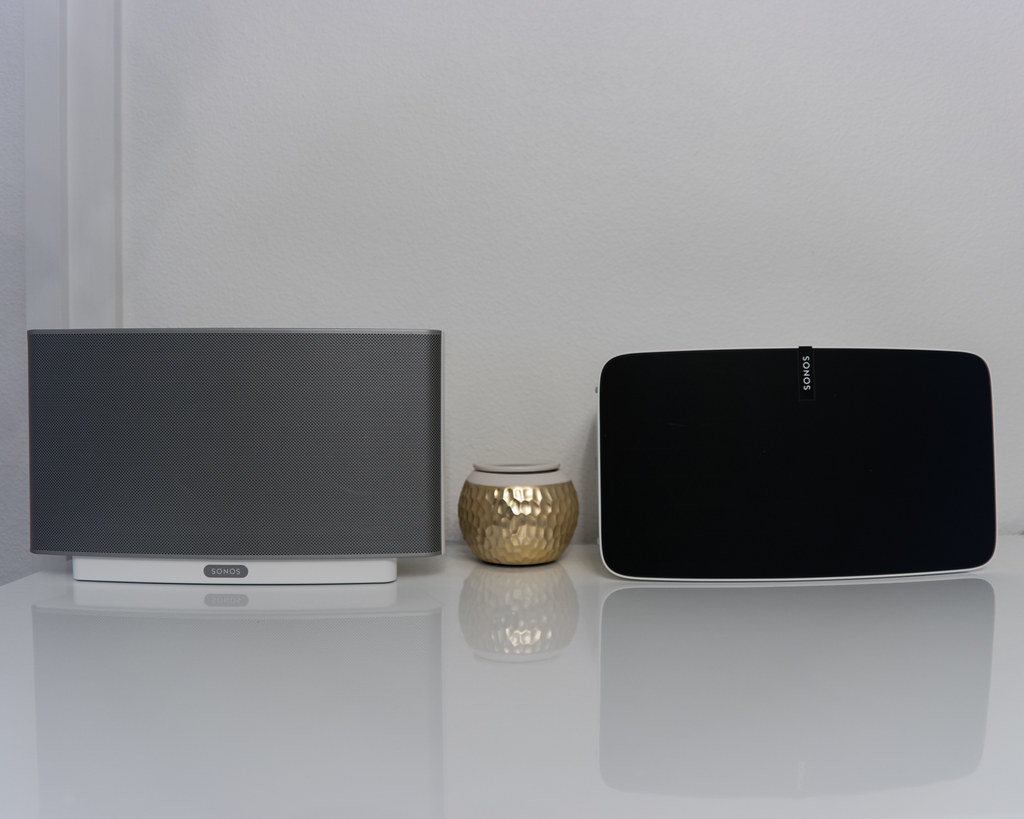
Sonos has spent two decades explaining what its speakers do. As of today, it would rather tell you how they feel.
The audio company launched "Love the Sound. Feel the System," a new global brand campaign and creative direction that began rolling out across the United States and Mexico, anchored by a major media presence in New York City. It is the clearest signal yet of the reset Sonos has been building toward since Colleen DeCourcy took the chief marketing officer job in November 2025.
"Great sound doesn't just fill a room. It changes how a home, and the people in it, feel," DeCourcy said. "For the past two decades, what people have loved about Sonos is that it is more than individual speakers, it is a whole home sound system that works together to fill your home with that feeling."
The strategic move underneath the pretty pictures is a shift in the unit of sale. Category advertising in home audio is a spec war — drivers, decibels, codecs — fought at the shelf over one box at a time. This campaign argues the product is the system: add a speaker and the rest get smarter, and the sound tunes itself to the room it is actually playing in. The hero line lands the idea with a shrug rather than a boast: "When your speakers find each other and start playing in sync, it's not magic, but it's not-not magic."
Craft is the other half of the argument. The campaign was created by the in-house creative team and built on hand-drawn "dance card" diagrams that double as a guide to configuring a system and as something you might frame, alongside bold collage, visible human marks, and emotional photography. Every mark is handmade, the type included — an analog gesture from a company that sells software-defined hardware, and a deliberate nod to the craft that goes into the speakers themselves.
The media plan is unusually physical for a technology brand. Out-of-home, streaming audio, podcasts, print, online video, and social all carry the work, with New York taking the weight: transit at Westfield World Trade Center, Moynihan Train Hall, and Penn Station, painted billboards and wildpostings in Williamsburg, street panels, and digital projections across the city.
Two products ride along — Ace Ultra headphones, which now link into the whole-home system, and Beam Ultra, a compact soundbar — but both are introduced as new ways into the system rather than as launches of their own. That framing is the point.
The in-house team has been assembled quickly. Creative directors Rinee Shah and Kendra Eash joined in June after building a creative studio at sleep tech brand Hatch; Cameron Ford arrived from Anomaly in July as director of creative production; brand design lead Raquel Scoggin came from Snap in June; strategy is led by Zach Gallagher, with Janet Shih joining from Special Group in June.
Sonos is calling this a company repositioning first and a brand refresh by extension, with more of the refresh to follow. For a brand that spent 2024 rebuilding trust after a badly received app overhaul, leading with feeling rather than features is not a soft choice. It is a bet that 17 million households in more than 60 countries already know what the hardware does, and need reminding why they liked it.
Maya Chen
Senior Retail Correspondent, BRNDWIRE. Covering campaigns for strategists and marketers worldwide.